- World Medium
- Posts
- Athens Reflection Part 1
Athens Reflection Part 1
The Intriguing Nature of the Graffiti

Emmaline Phillips
September 08, 2024
Athens Reflection Pt. 1
The past few days in Athens have been a whirlwind. We’ve been suffering from jet lag and exhaustion (and I’ve caught a nasty cold), but we’ve managed to find both time to rest in addition to time to explore. Coming in to Greece was definitely a bit of a culture shock— the whole city of Athens is unlike any city I’ve ever seen before, and the immense amount of history engrained into every stone is really jaw-dropping. You can be on a completely urban and modern block with markets and shops and air-conditioning, and then turn the corner and be looking at ruins that are thousands of years old.
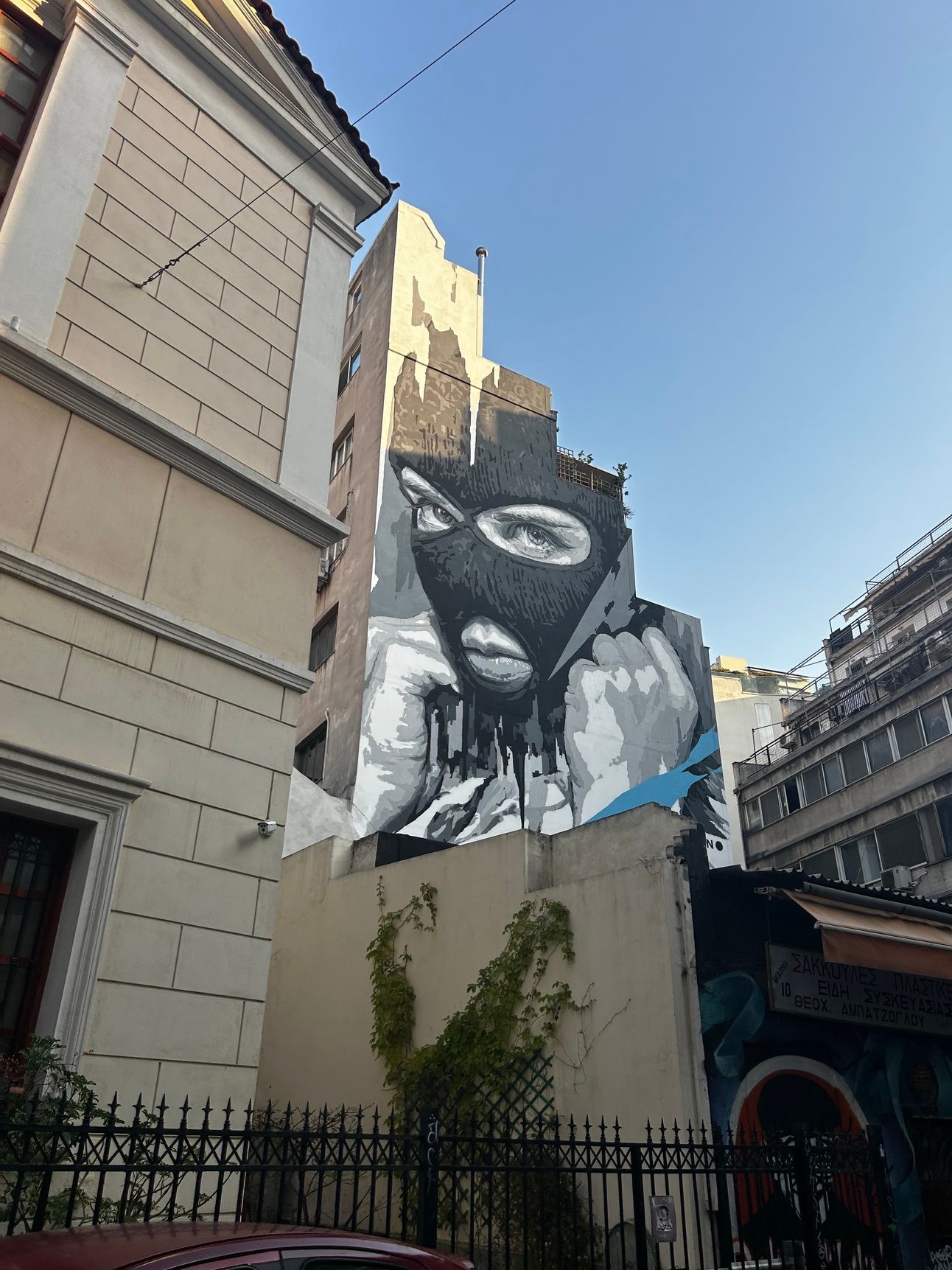
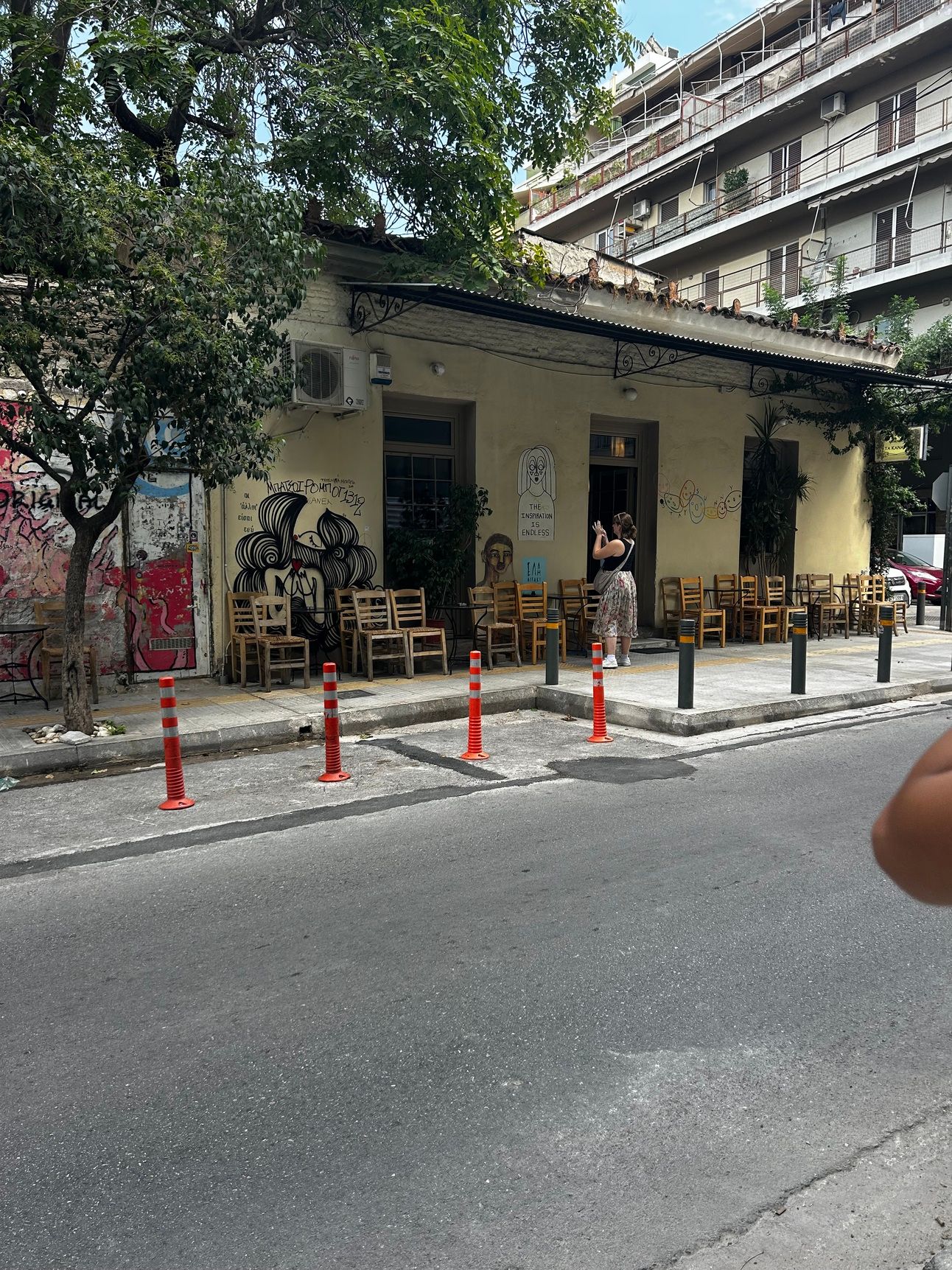
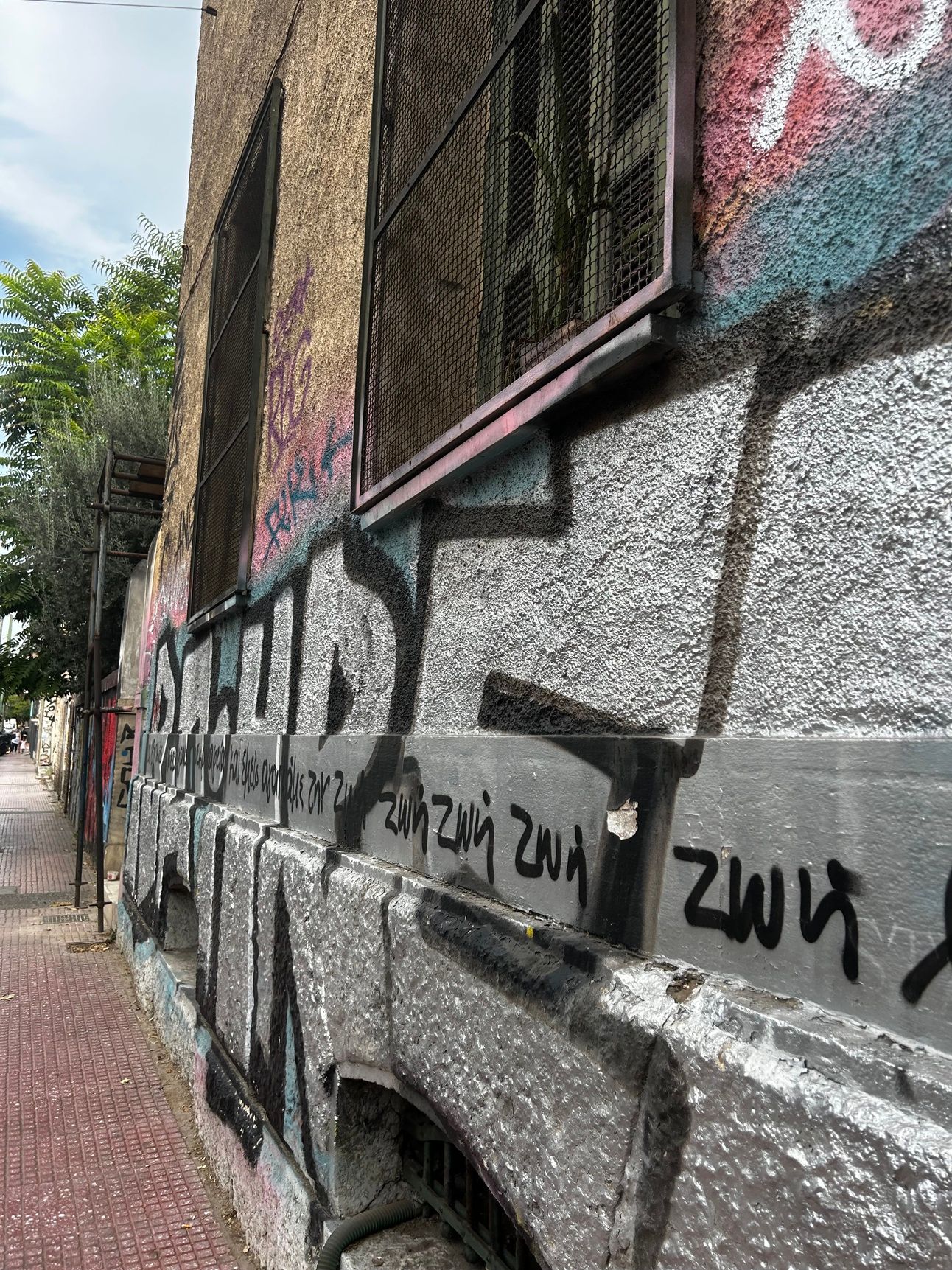
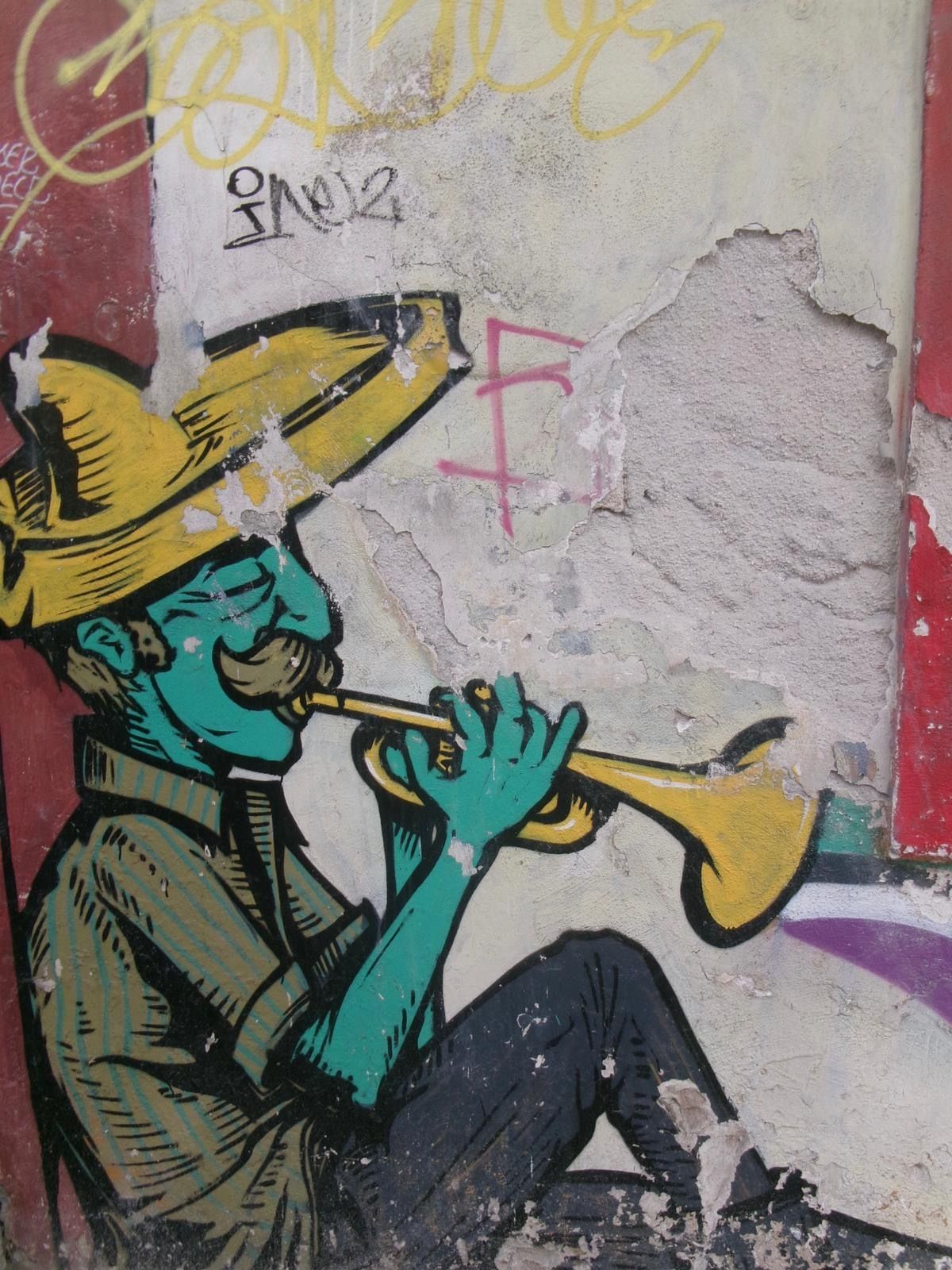
My first impression of the art culture of Greece was really through the graffiti and street artwork. It covers every wall and surface of the whole city, and it has a style that’s definitively different from other graffiti I’ve seen. There are more defined images, characters, and faces, linked with powerful political messages. I’ve attached a few pictures here.


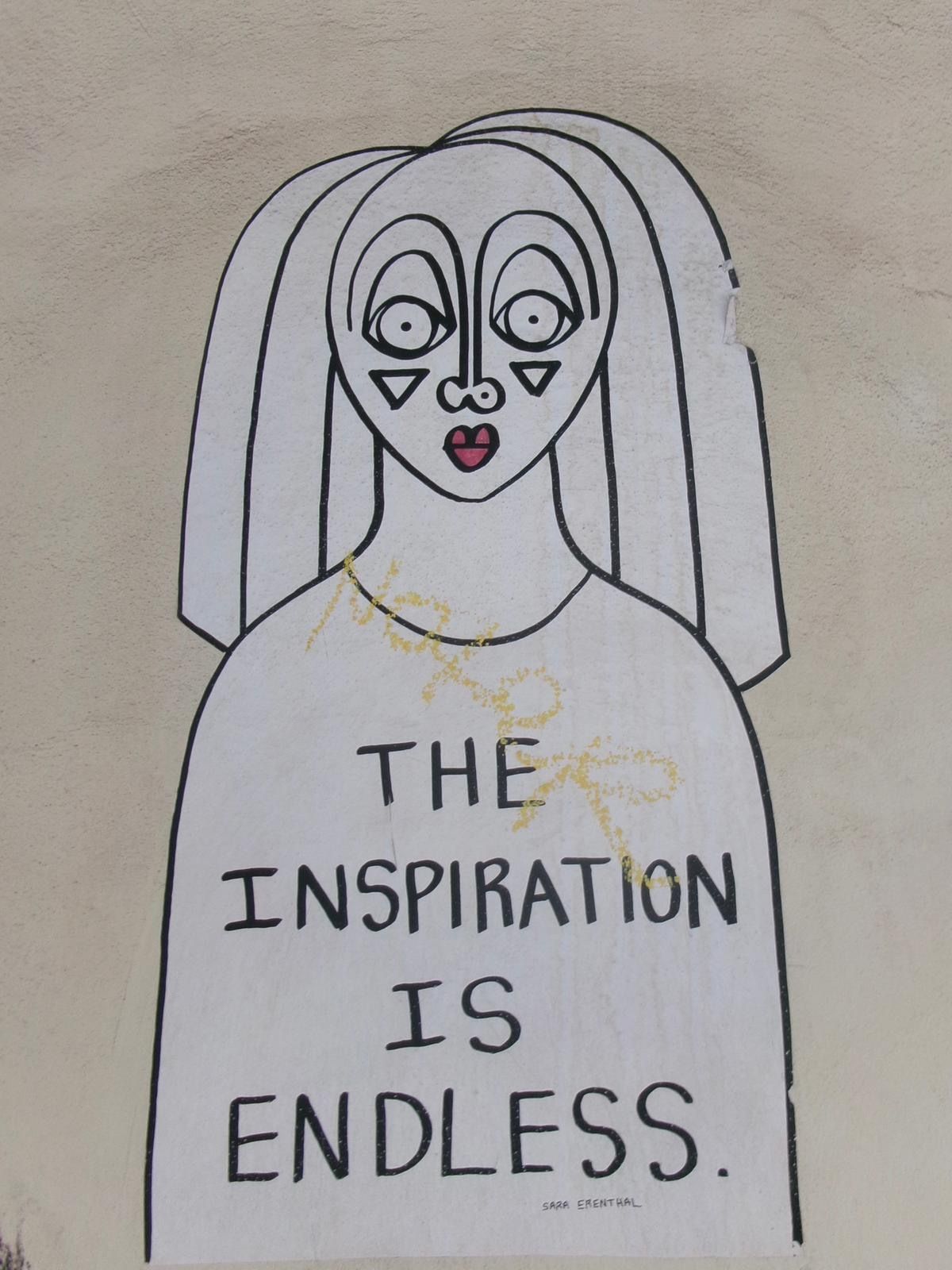
These really spoke to me because of how it links with the idea that art is ingrained into the human experience. Art is not simple colors, lines, etc., but instead a means to represent what cannot just be expressed with words. It can also be a powerful way to emphasize the meaning behind words that are being covered up, or suppressed— like with political graffiti, which there was a lot of! There were words and images all over the buildings discussing topics like immigrants, political leaders, and social reform. I will note that the majority of the worded graffiti was in Greek, which I did not understand, but there was still a great portion of it in English— perhaps with the goal of reaching a farther audience/speaking to the very present audience of tourists?
We were most intrigued to note an apparent social movement in favor of veganism. We saw the word veganism plastered over walls in many different areas of the city, which we were honestly puzzled by. From what I’ve heard, it’s very difficult to be vegetarian, let alone vegan, in Greek culture and society because of the sheer presence of meat. Maybe that’s the very reason why there’s such a push for the this— but I have to say I don’t think the impact of the movement was being reflected in the menus I was looking at at restaurants. The word was also always written in English to my eyes, but it very well could’ve been written in Greek in many places and I just couldn’t read it. There were often pictures that accompanied the word on the wall, or statements about animals. Sadly I don’t think I got any photos of this, largely because in these first few days I’ve been incredibly anxious about getting pickpocketed/my phone being stolen, so I’ve tried to keep everything put away while walking on the street.
In general, this experience of observing street art has reminded me again to look beyond the classical notions of art that I’m aiming to explore throughout this year. There is a lot to be seen in museums, and I certainly plan on diving deep into those, but to get a more holistic view of what art looks like in today’s society and what it means to people, it’s important to look to the forms of art that are often seen as lesser, or just “background noise”. I didn’t know anything about the graffiti scene in Athens coming into Greece, but I’m now living with a newfound interest and appreciation for understanding this particular world of art better.
I believe if I write anymore, this post will officially be too long so I think I’ll talk more about my exploration of the ancient Mediterranean art world in my next post. More later!
Emmaline
P.S. here are a couple more photos of street art/murals/graffiti: